
Portfolio | Peter BussigeL
This page is a portfolio of creative work and research. I have included an artist statement describing my work and research related to electronic music and sound technologies, as well as a selection of projects with descriptions, embedded media, and links to related research, scores, technical information, and courses. You can click the links below to skip between sections.
Artist Statement | Installations | Instruments | Compositions | Video
Artist Statement
My creative work and research focus on how new technologies shape and shift how we communicate, and specifically, how we listen. This research takes different forms, including installations, compositions, performances, creative tools, and writing. Regardless of the output, I continually return to the idea of interfacing, the process of connecting with and through our machines. I am interested in how music and sound technologies frame our connections to each other, and change how we hear culture, history, and the environment. I aim to exploit the tendencies and ideologies embedded in our electronic and digital interfaces and I work with sound and music to navigate the complex relationships between people and the listening technologies we create.
Installations
As our electronic devices -- computers, appliances, gadgets, and toys -- are replaced by newer versions with the latest feature sets, we are left with massive amounts of electronic waste and devastating environment impacts. Most of these discarded devices still function and I repurpose them, amplifying their musical and sculptural properties. This theme is explored in two installations, Chorus for Untrained Operator (excerpts below) and Transmogrifier, and it is contextualized in two recent papers–Reanimating the Readymade, presented at the 2019 NIME Conference, and TRaNsMOGRiFiER: Fictional Narratives as Catalyst for Musical Collaboration, published in Leonardo (MIT, April 2021). While this research emerged from ideas about sustainability and waste, the process of working with repurposed materials has encouraged a broader reconsideration of human-environmental relations, leading to a new sound installation, Wax Magnets, a commission by the Ahhaa Center for the Arts in Telluride, Colorado, focused on the electromagnetic relationships between bees and plants—a new direction, but still working with found materials.
Chorus for Untrained Operator
The project is a collaboration with Stephan Moore and was created initially with Asha Tamirisa and Tim Rovinelli.
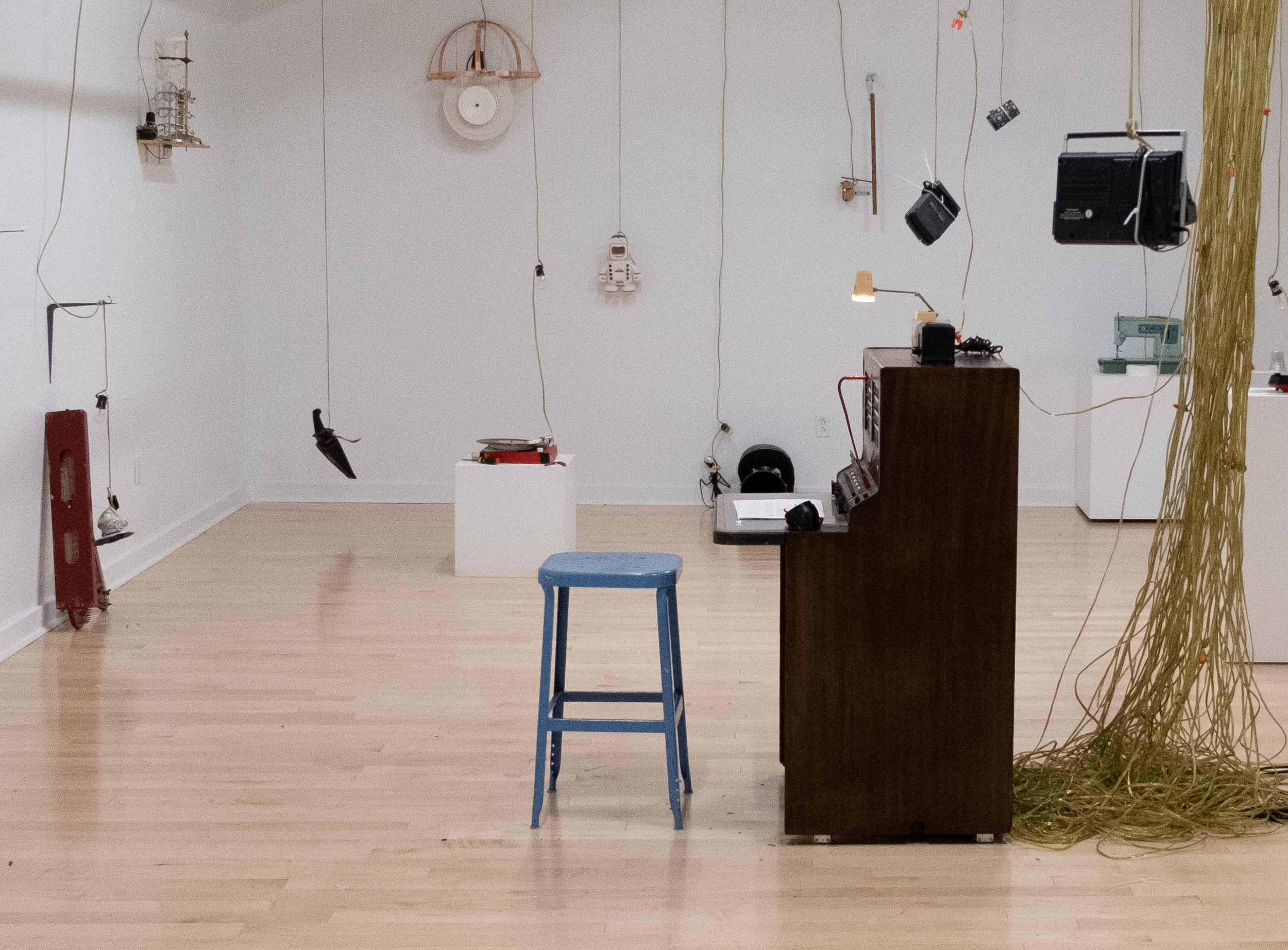
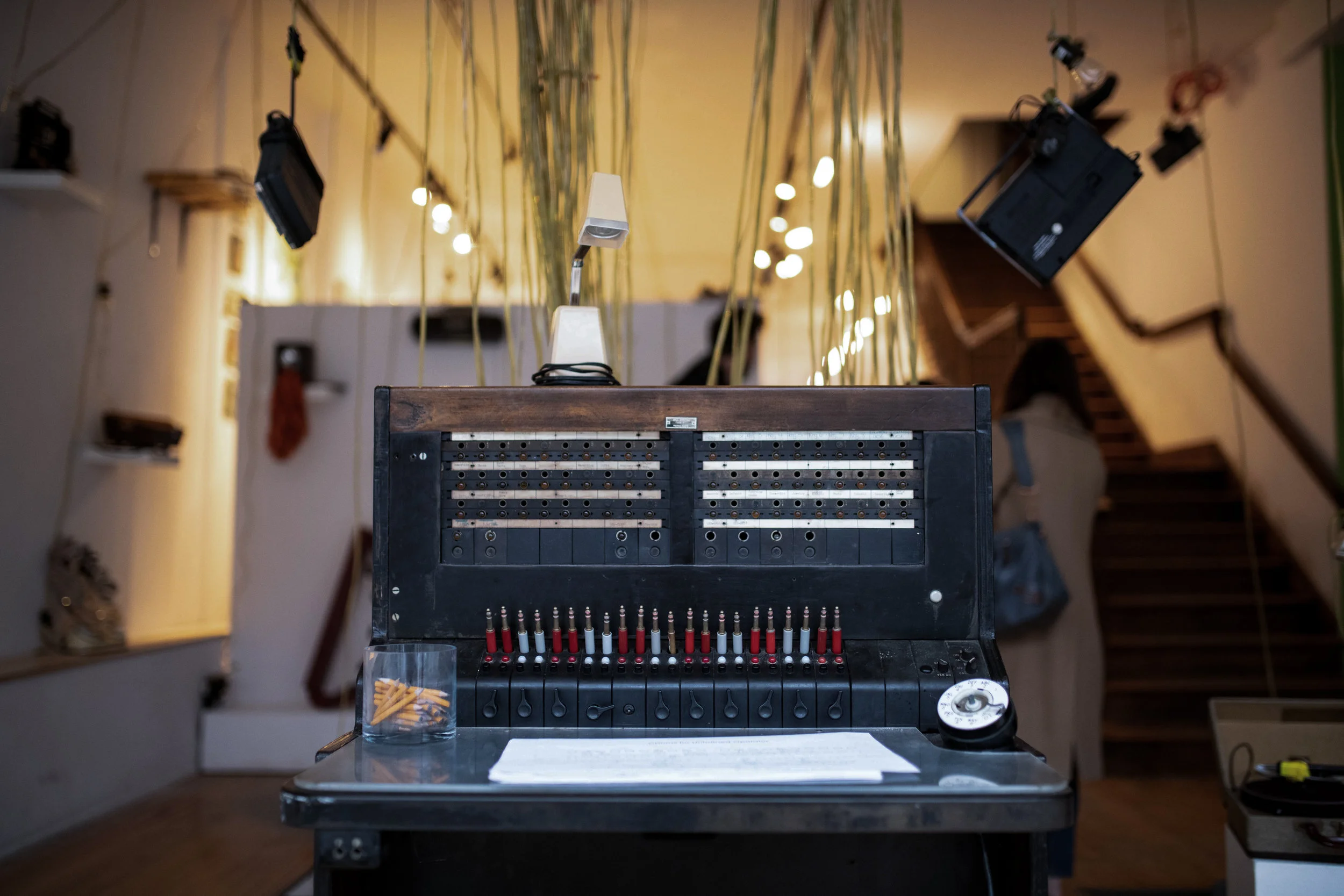
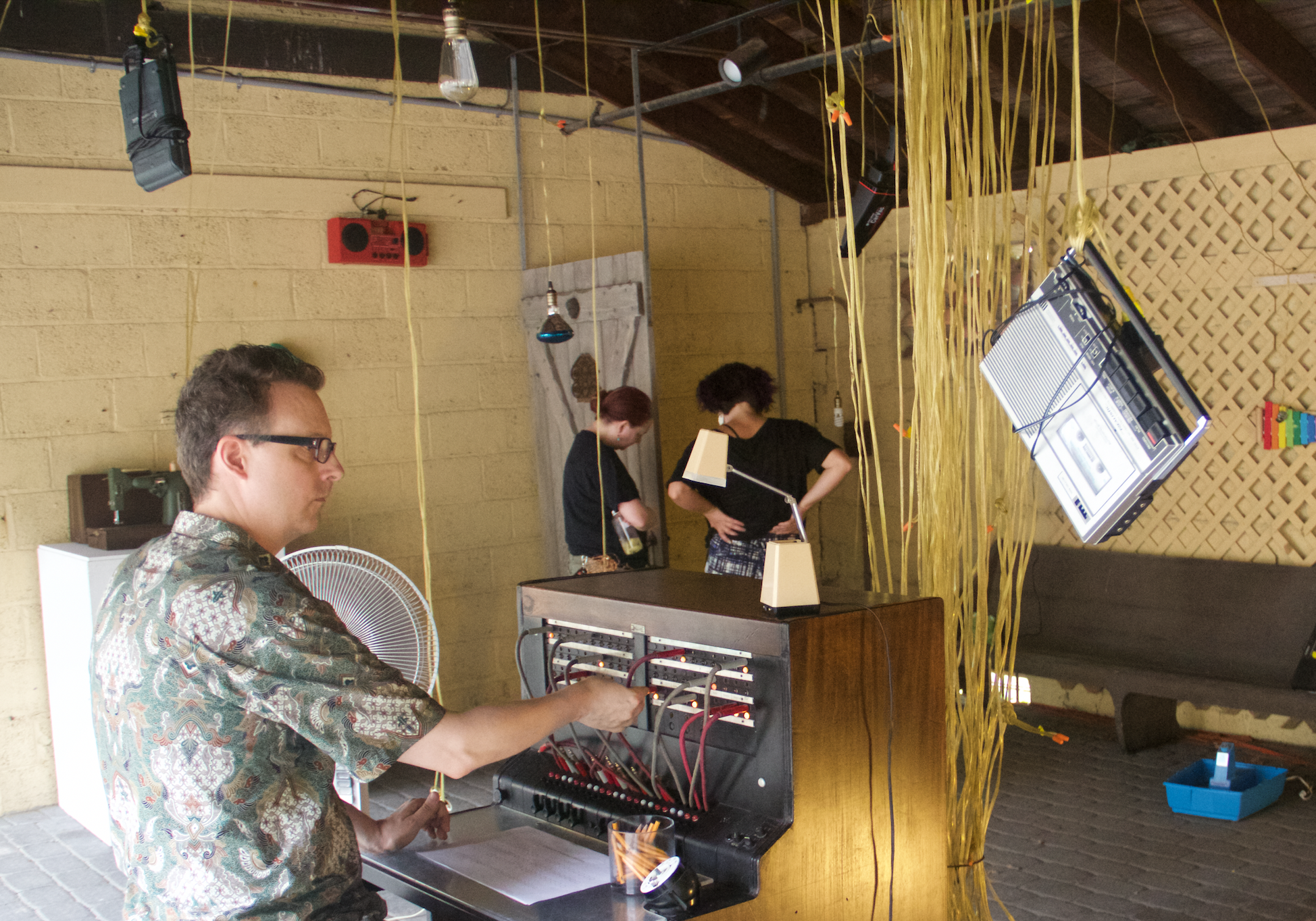
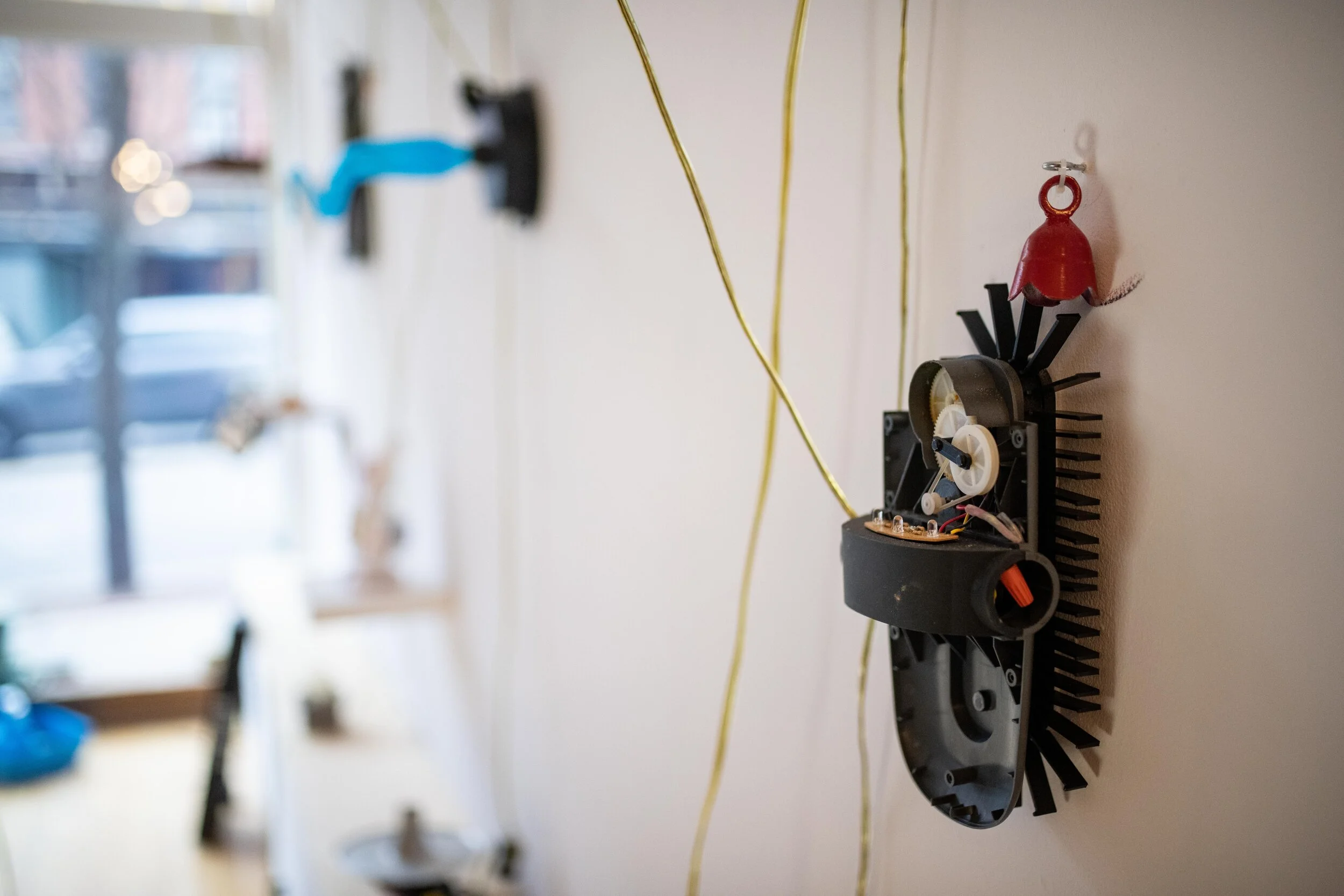
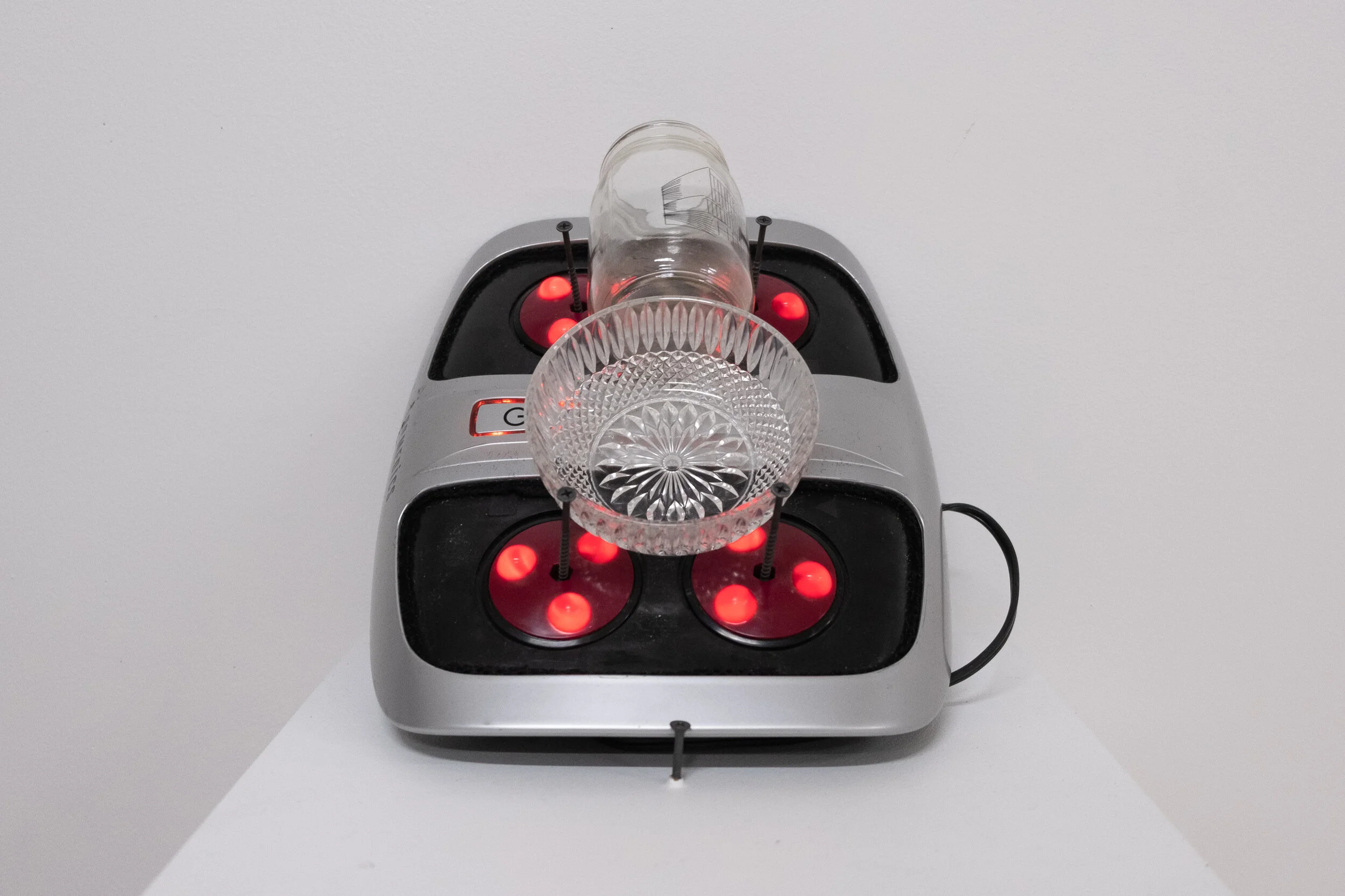
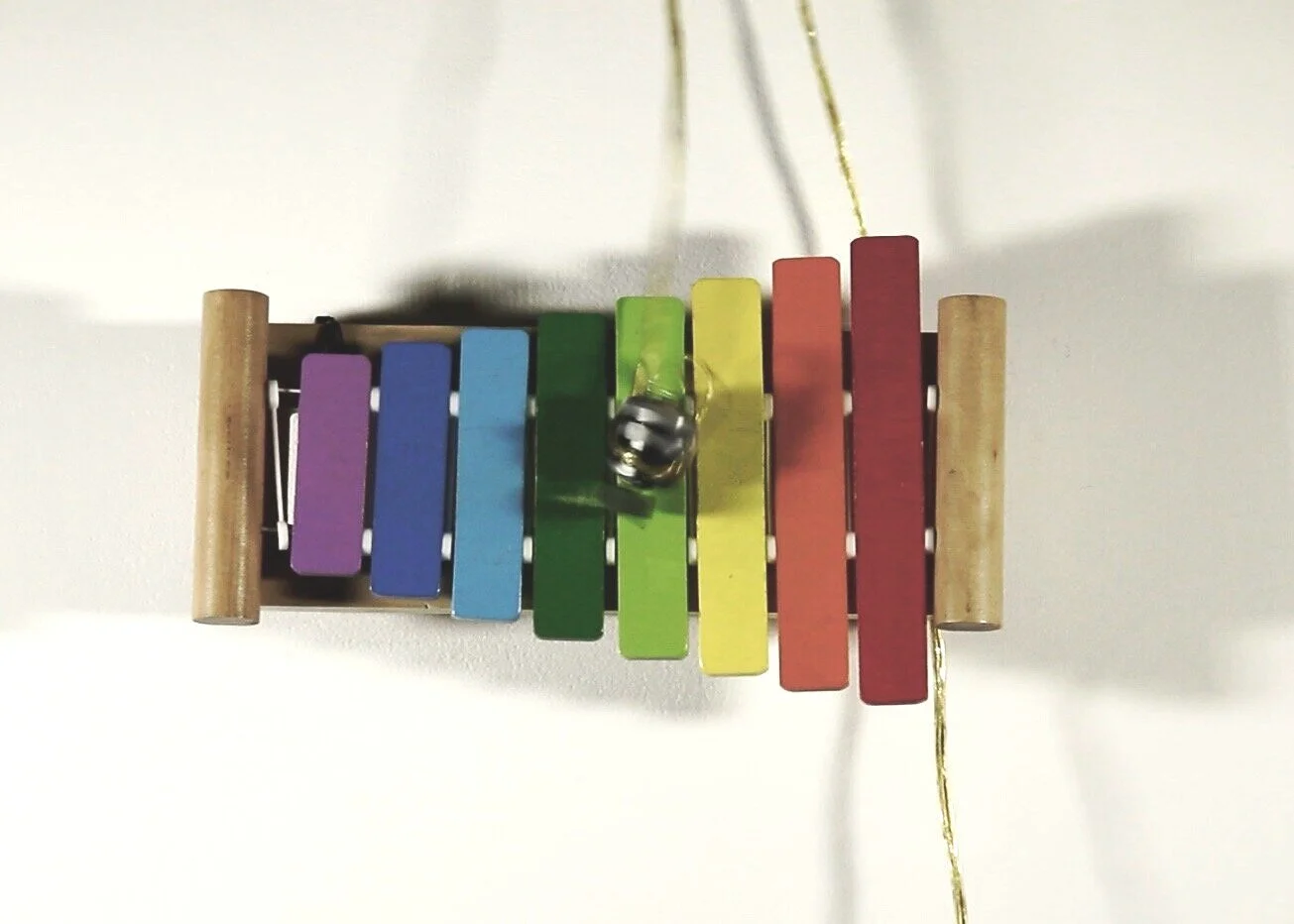
Chorus for Untrained Operator is a collection of discarded objects, each relieved of its original responsibilities and modified to emphasize its musical voice. The ensemble is operated via the patchbay of a repurposed 1940s telephone switchboard.
The objects -- an electric tie rack, an 8mm projector, an animated shoe, a sewing machine -- are chosen for their audiovisual characteristics, and modified to produce the varied voices of the mechanized chorus. Each time the piece is installed, new objects are found and older objects evolve or break. The dynamics of the installation space also influence how the chorus sounds and plays, making each installation significantly different.
Visitors are welcome to operate the switchboard to patch and re-patch the choir. There are 22 cables on the patch bay, and each can be used to activate one of over sixty voices -- thousands of possibilities. The switchboard also has 22 buttons that momentarily trigger another set of objects, allowing for more immediate modes of play. The result is a room-sized system of reanimating readymades that can compose and perform a wide range of musical textures.

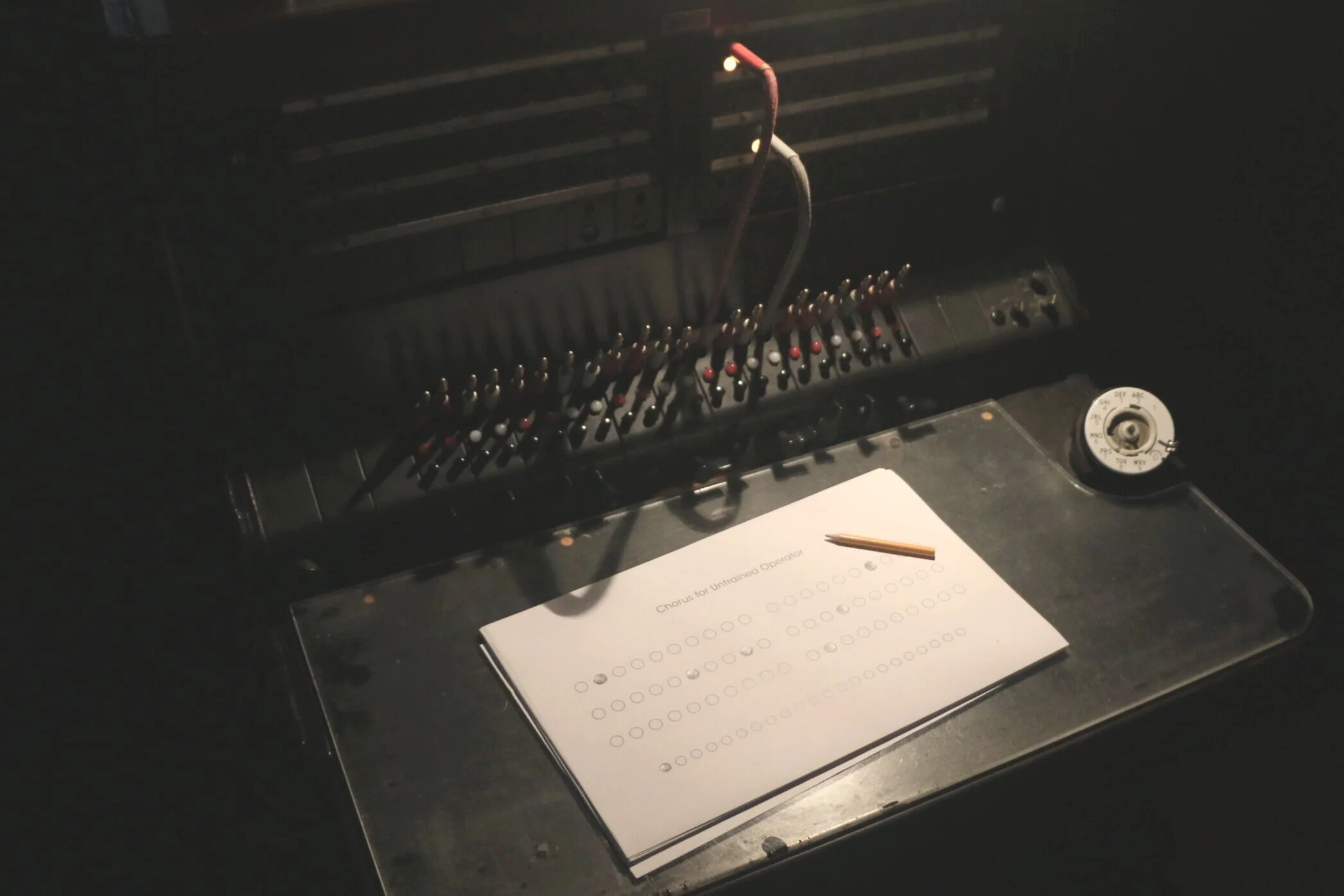
Blank scores depicting the patchbay layout are available for operators to notate their own arrangements and leave their creations for future visitors to perform. The way each operator deals with time on the scores has become an interesting aspect of the project.
Chorus for Untrained Operator was commissioned by the Creative Arts Council at Brown University and was first installed at the Cohen Gallery in Providence RI in 2016. It has also been installed at The Caramoor Center for the Arts in NY (2017), The NIME Conference (2018) where it was awarded best installation, The Ann Arbor Film Festival, and Union College (2019).
Images



instruments & interface design
Early electronic games serve as both objects and methods for thinking about digital interfacing. Games provide a window into systems that are lively, unpredictable collaborators -- interfaces that question the common expectations of efficiency and transparency. My interfaces limit one’s control over the musical output, such that preconceived ideas give way to active listening and play – improvisation. These instruments work with sound in unpredictable and game-like ways and result is music that doubles as an invitation to reconsider our engagement with the digital systems through which we live, work and play.
nDial
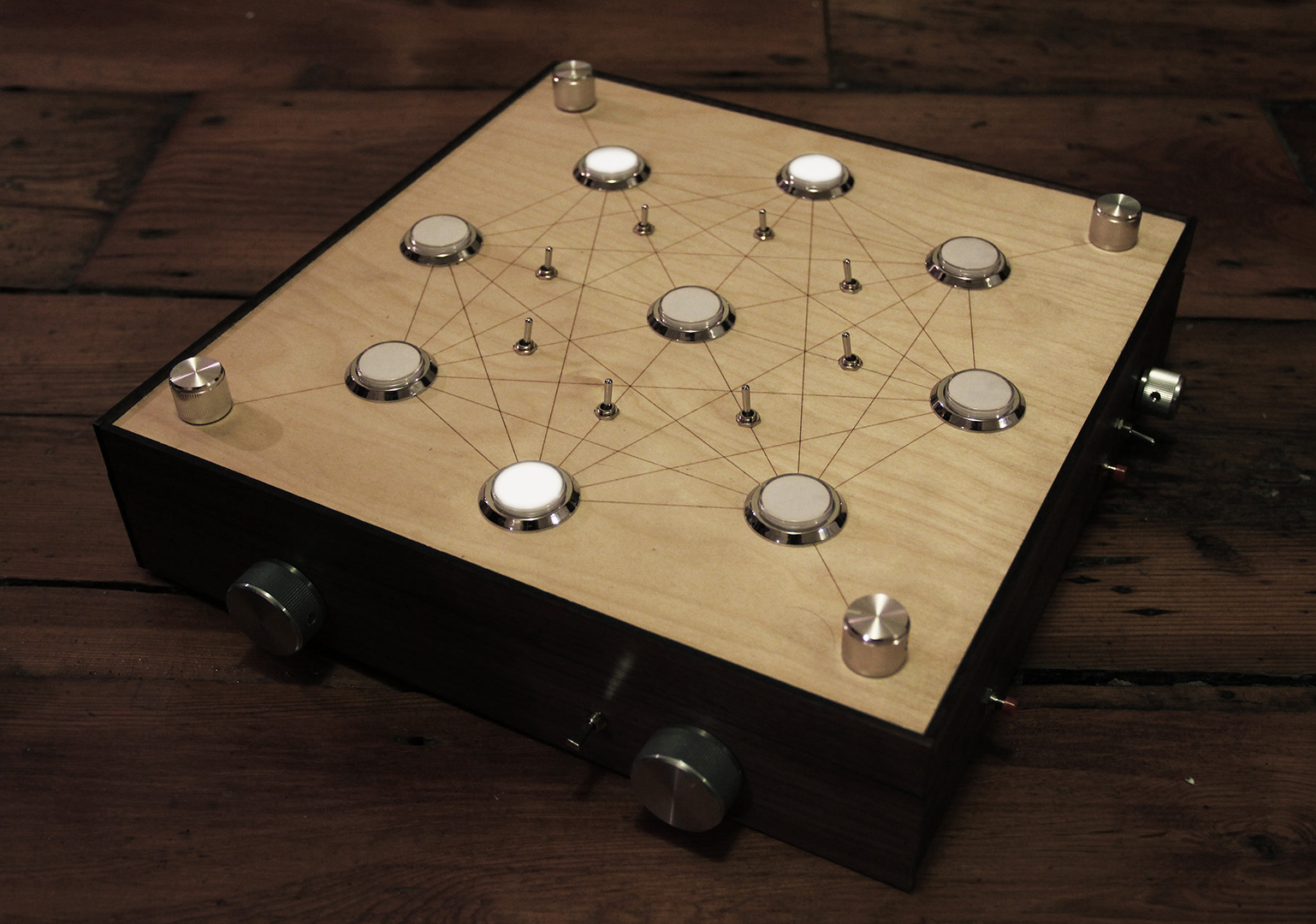
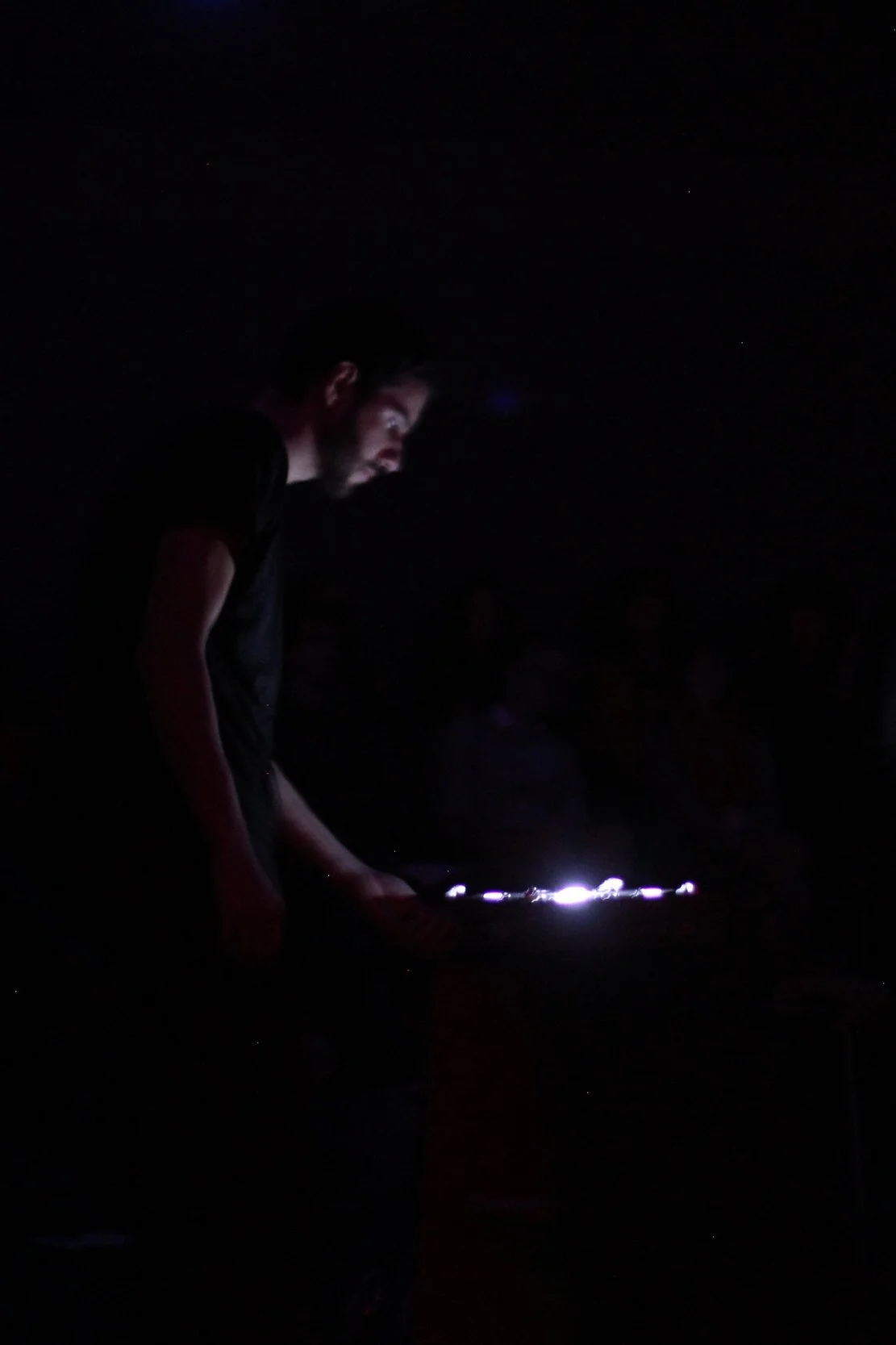
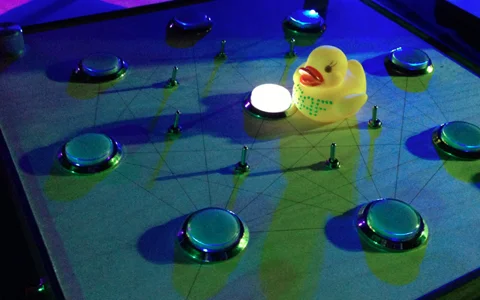
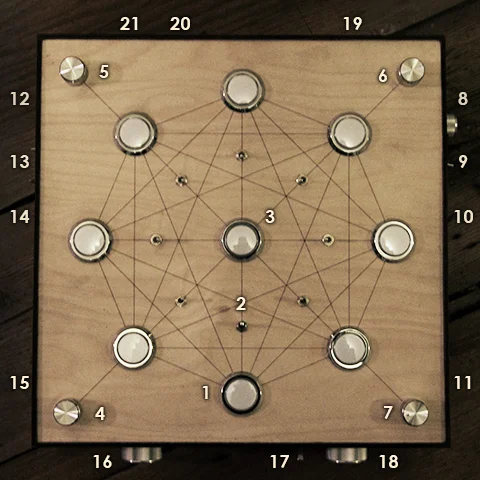
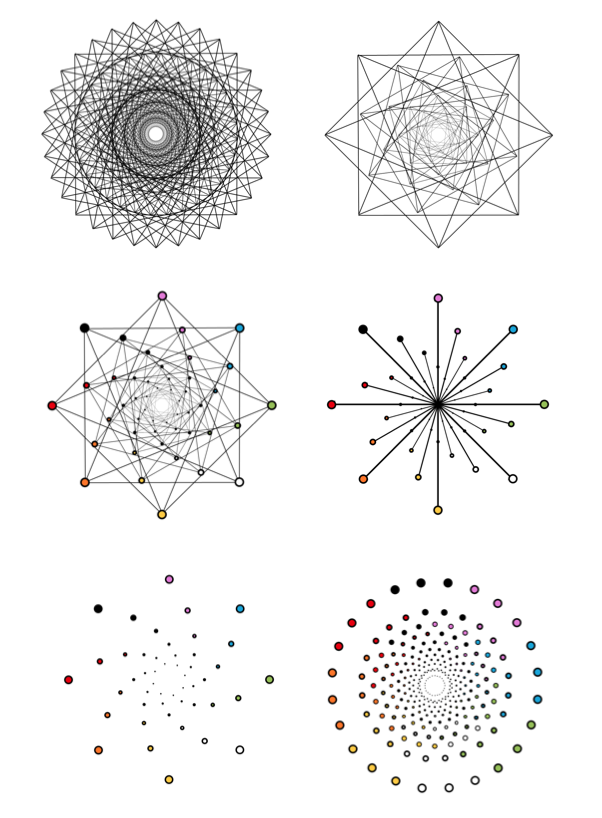
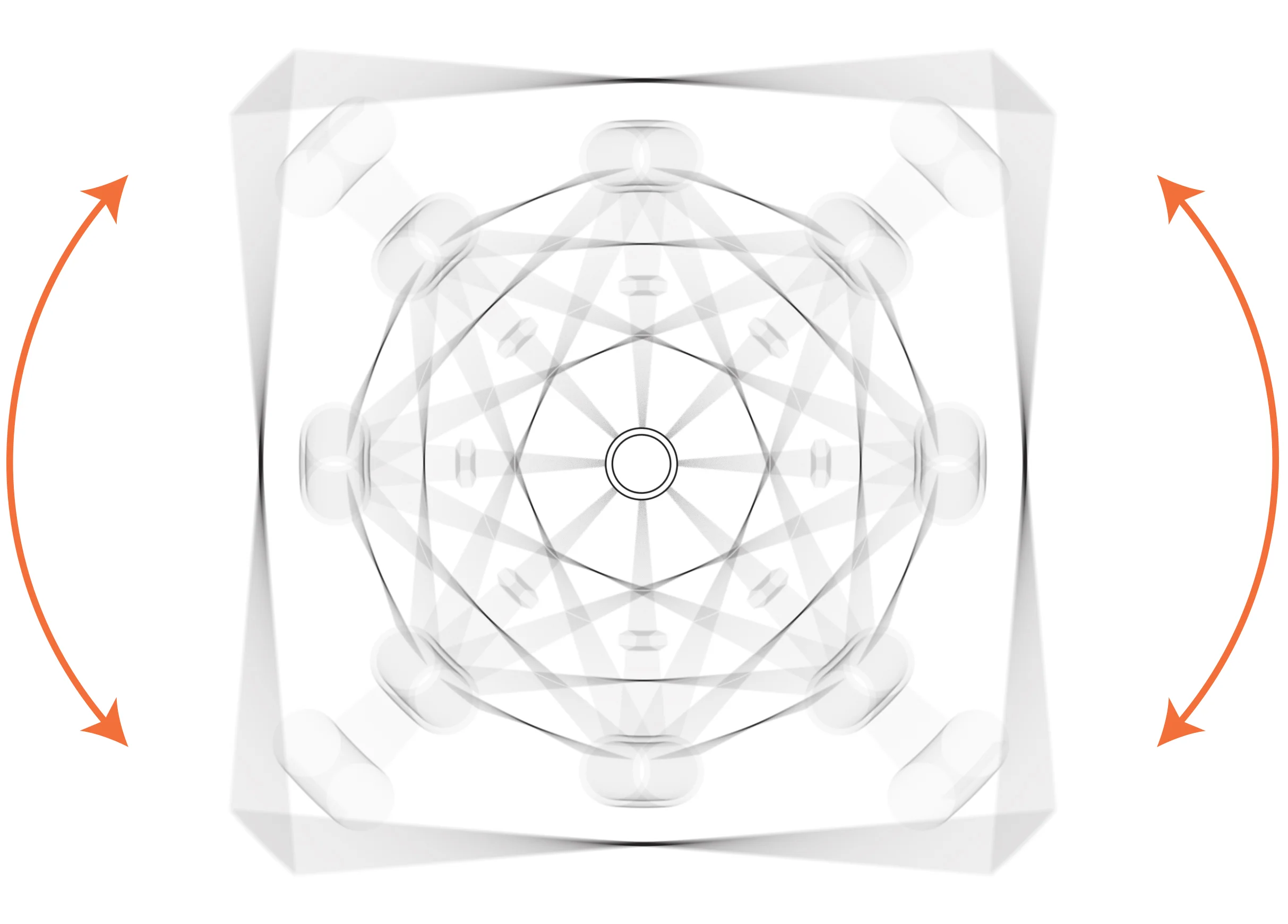
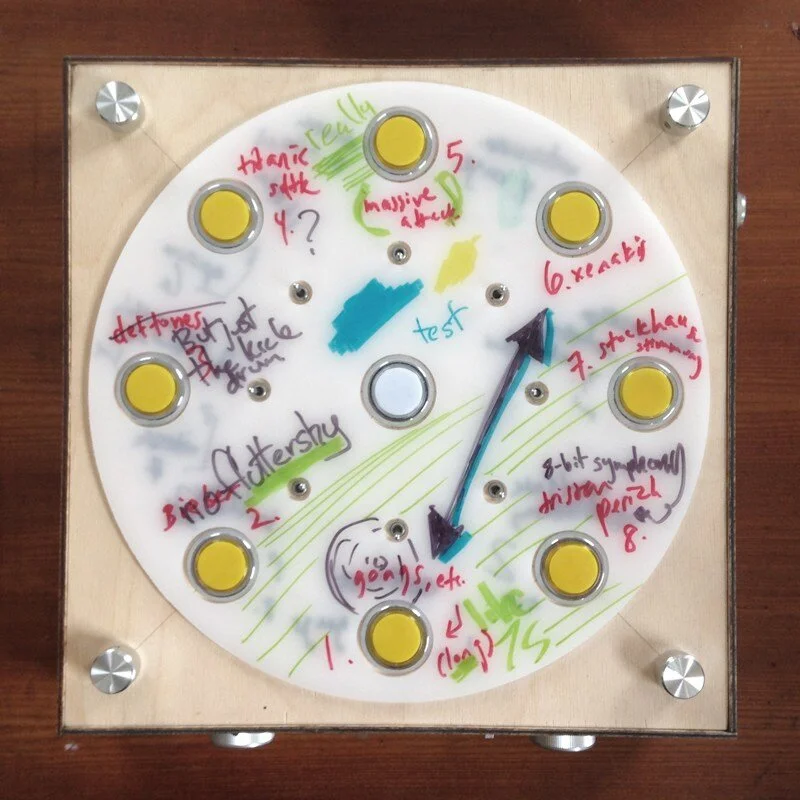
The ndial combines automated sampling and sequencing with manual controls to navigate sound worlds in unpredictable ways. The system selects samples at random from a live or prerecorded source and maps them to eight steps on the interface. The interface can match pulses, record live samples, reorganize patterns, add effects, and remix performances in real time. Recordings are explored out of order, and because control of the content is limited, preconceived strategies give way to the matters at hand.
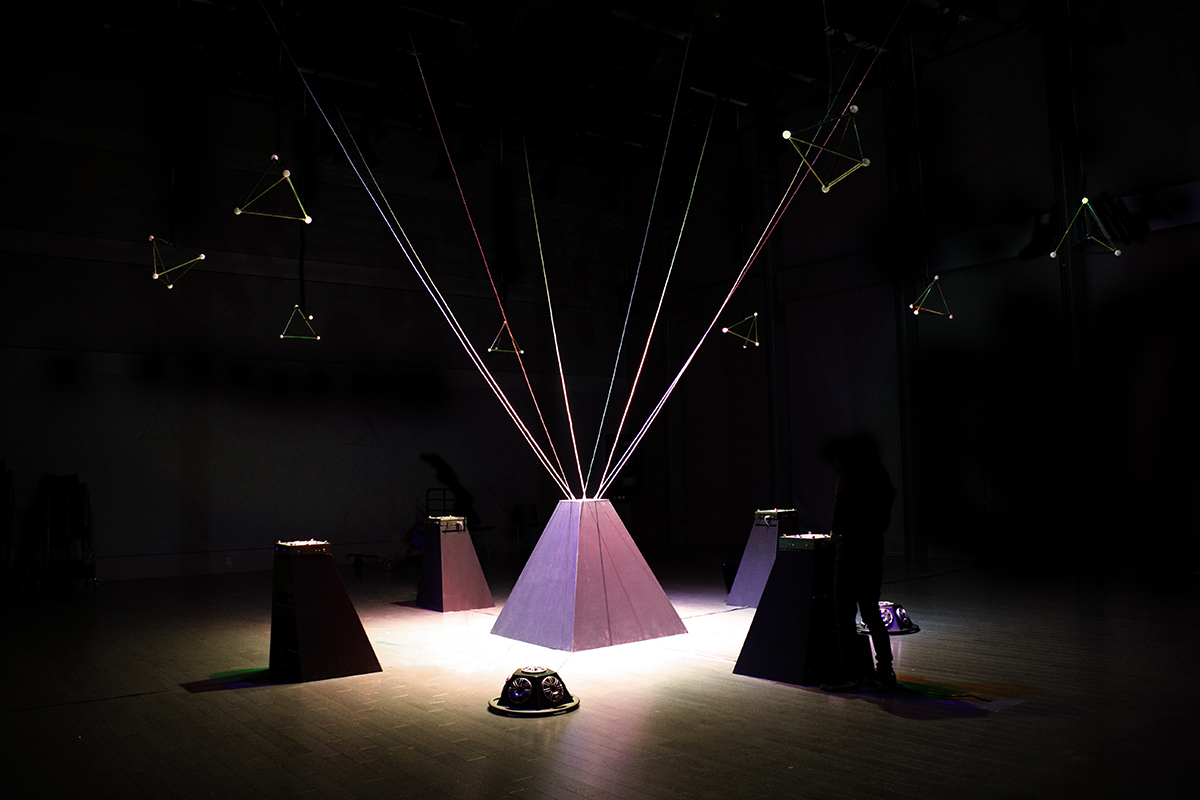
The ndial works with a program called Onism, built in Max/MSP. ndials have been used in performances, installations, and theater productions and by DJs, classical ensembles, and experimental musicians. The ndial took 2nd place in the 2015 Guthman Musical Instrument Competition and won the 2013 Improvisation and Digital Arts Festival (IDAF) Prize. Four ndials were used in the concert game, RE, and both the ndial and RE were part of my dissertation project, Simon and the Animating Interface. The ndial can be played with custom made records, that help performers to visualize their sound worlds.


Related Links
Simon and the Animating Interface (dissertation)
Onism (software)
ndial manual (pdf)
the ndial is patented by Brown University
Music
My music draws from both acoustic and electronic approaches. When writing for instruments, I work with aleatoric systems that include graphical notation and game structures, often combining acoustic sounds with interactive systems built in Max/MSP. My electronic music is driven by textural and spatial considerations and combines field recordings with granular and analog synthesis. I have written a lot of music for immersive/multi-channel situations, and I frequently perform on brass instruments and electronic interfaces of my own design.
Loglo
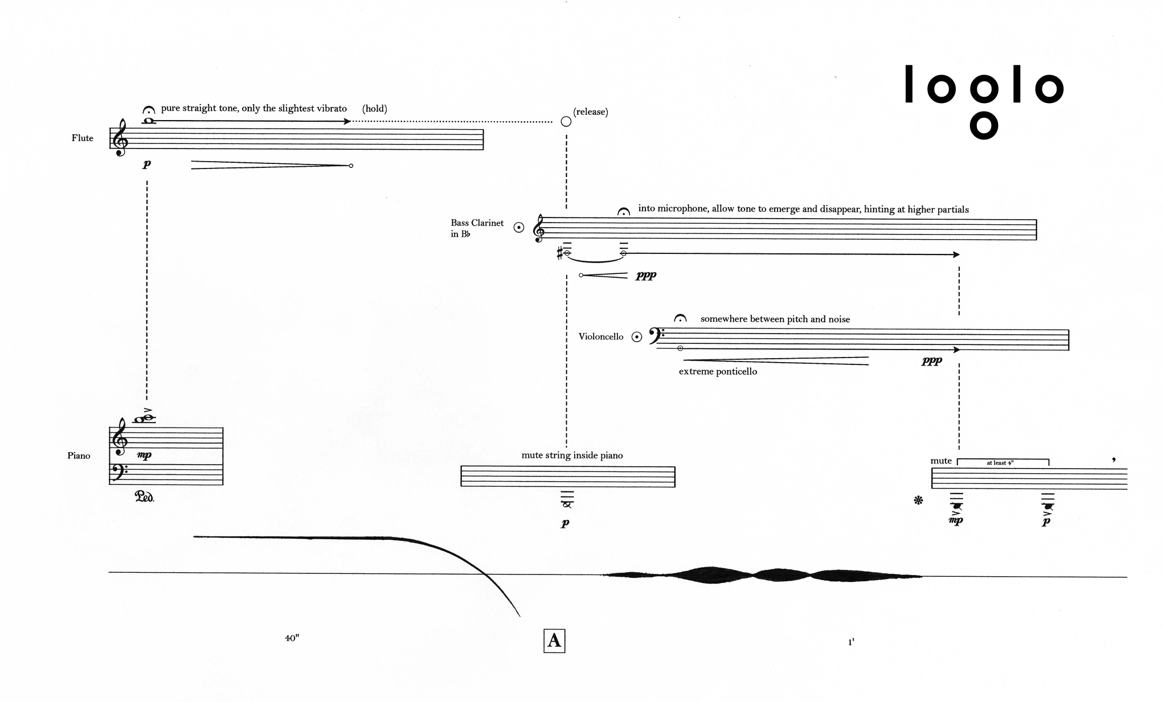
for flute, bass clarinet, cello, piano, and live electronics
Loglo is an electroacoustic chamber piece written for Ensemble Zellig. The instrumentation is amplified Pierrot Ensemble with laptop instead of violin. The electronic sounds are performed and diffused live using a custom system built in Max/MSP. The score is a mixture of musical cells and trajectories, some of which are open to interpretation by the musicians.
Score (pdf)

video
I work with audiovisual forms in a few different ways. The following pieces are part of an ongoing series called Cut Performances, where I record myself performing specific event scores or instructions and use the audiovisual recordings as source material for sound compositions. Rather than using technology to smooth out issues in performance, these pieces use recording technologies to amplify mistakes and inconsistencies and refigure them as musical features.
~90 exploits my inability to play a steady rhythm and highlights the irregular pulse through juxtaposing various takes. I recorded around 90 performances at around 90 bpm and combined the takes to construct audio visual textures in which the sound and the image are one. There is no audio processing save the fades that are mirrored in the visuals.
A440 is a calibratory signal, a reference for tuning. Performed over the course of three weeks in 100 locations throughout New England , A440 is an event score for performing active listening. Over 70 performances are documented in the video above.
Referring to concert A above middle C, at a frequency of 440hz, a440 is considered by many who consider such things to be the reference frequency for the calibration of orchestral instruments–a pitch against which other pitches are compared and one of the reasons I will never make a living as a trumpet player.
Score
Choose a site that seems out of tune and play a440 until you feel the site is sufficiently tuned and then move on. Repeat until the world is in tune. (Documentation is optional).
Related Links
Cut Performance (A short study for this series)
Audiovisual Environments (a course on composing for sound + image)